
Peripheral Artery Disease: What It Is and How to Protect Your Health


If you have ever noticed leg pain when walking that goes away with rest, you may have experienced one of the most common signs of Peripheral Artery Disease, or PAD.
I have seen countless patients with PAD who thought their leg pain was just part of “getting older.” The truth is that PAD is not a normal part of aging. It is a serious condition that affects millions of adults, especially those over 50, and it can increase the risk of heart attack and stroke.
This article explains what PAD is, why it happens, what symptoms to watch for, how it is diagnosed, and what you can do to treat and prevent it.
What Is Peripheral Artery Disease?
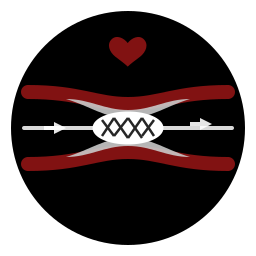
Peripheral Artery Disease occurs when arteries outside the heart and brain become narrowed or blocked. It most commonly affects the arteries in the legs, but it can also impact the arms.
The main cause of PAD is atherosclerosis, or plaque buildup in the artery walls. Just like clogged arteries in the heart can cause chest pain and heart attacks, clogged leg arteries can cause leg pain, poor circulation, and serious complications.
Why PAD Matters
PAD is more than just a circulation problem in the legs. It is also a warning sign of widespread artery disease. If you have PAD, you are much more likely to also have blockages in the heart or brain. That means higher risk of:
- Heart attack
- Stroke
- Poor wound healing
- In severe cases, limb amputation
Catching PAD early can protect not only your legs but also your overall heart health.
Symptoms of Peripheral Artery Disease
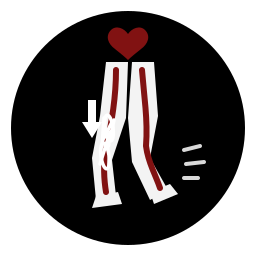
One of the most common symptoms of PAD is claudication, which is leg pain, cramping, or fatigue that happens with walking or exercise and improves with rest.
Other signs include:
- Numbness or weakness in the legs
- Coldness in one leg compared with the other
- Sores on the feet or toes that do not heal
- Shiny skin or loss of hair on the legs
- Weak pulse in the legs or feet
- In severe cases, pain in the legs or feet even at rest
Not everyone with PAD has symptoms. Some people have silent PAD that is only discovered through testing.
Who Is at Risk for PAD?
PAD is most common in adults over 50, especially if you have risk factors such as:
- Smoking (the single biggest risk factor)
- Diabetes
- High cholesterol
- High blood pressure
- Obesity
- Family history of artery disease
- Sedentary lifestyle
If you have more than one of these risk factors, your chance of developing PAD increases significantly.
How PAD Is Diagnosed
If you have symptoms of PAD, your doctor may recommend tests to check your circulation. Common diagnostic tools include:
- Ankle-Brachial Index (ABI): A simple test that compares blood pressure in the ankle with blood pressure in the arm. A lower ankle pressure suggests PAD.
- Ultrasound: Shows blood flow and blockages in the arteries.
- CT angiography or MR angiography: Imaging tests that provide detailed pictures of arteries.
- Angiogram: A catheter-based test using dye and X-ray to look at arteries directly.
Treatment for Peripheral Artery Disease
The good news is that PAD can be treated. The main goals are to relieve symptoms, improve quality of life, and reduce the risk of heart attack and stroke.
Lifestyle Changes
- Quit smoking: This is the single most important step to slow down PAD.
- Exercise: A supervised walking program is often prescribed. Walking until you feel mild discomfort, resting, then walking again helps build new circulation pathways.
- Eat a heart-healthy diet: Lower saturated fats, eat more fruits, vegetables, whole grains, and lean proteins.
- Maintain a healthy weight.
- Control diabetes, cholesterol, and blood pressure.
Medications
Doctors may prescribe medicines to:
- Improve blood flow and walking distance (such as cilostazol).
- Prevent blood clots (aspirin or other blood thinners).
- Lower cholesterol (statins).
- Control blood pressure and diabetes.
Procedures
If PAD is severe or does not improve with lifestyle and medications, procedures may be needed:
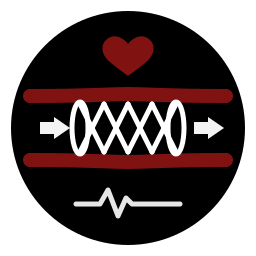
- Angioplasty and stenting: A balloon and stent are used to open blocked arteries in the legs.
- Atherectomy: A device removes plaque from the artery.
- Bypass surgery: Creates a new path for blood to flow around the blockage.
Complications of PAD
If left untreated, PAD can progress to critical limb ischemia, where blood flow is so poor that pain occurs even at rest, and sores or infections may not heal. In some cases, amputation may be necessary.
PAD also doubles or triples the risk of heart attack and stroke, which is why treatment is so important.
Prevention of PAD
Even if you do not have PAD now, you can reduce your risk with the same healthy habits that protect your heart:
- Quit smoking.
- Stay physically active.
- Eat a diet rich in vegetables, fruits, whole grains, and lean protein.
- Maintain a healthy weight.
- Control blood pressure, cholesterol, and diabetes.
- See your doctor regularly for checkups.
My Experience Treating PAD
I have seen many patients who lived with leg pain for years, thinking it was arthritis or aging, only to discover it was PAD. Once diagnosed, simple steps like a walking program, stopping smoking, and medication often made a huge difference. The key is always early recognition and treatment.
When to See Your Doctor
Make an appointment with your doctor if you notice:
- Leg pain when walking that improves with rest
- Sores on your legs or feet that do not heal
- Coldness or numbness in the legs
- Sudden changes in leg color or strength
Do not ignore these symptoms. The earlier PAD is caught, the better the outcome.
Conclusion
Peripheral Artery Disease is a serious but manageable condition that affects circulation in the legs and increases the risk of heart attack and stroke. The good news is that with early diagnosis, lifestyle changes, medications, and sometimes procedures, PAD can be treated effectively.
If you are over 50, especially if you smoke or have diabetes, high blood pressure, or high cholesterol, talk to your doctor about PAD. Recognizing it early could save not only your legs but also improve your longevity and quality of life.
Your circulation is your lifeline. Protecting your arteries protects your future.


FAQs
Here are some common questions about heart health and our blog content.
Heart health refers to the overall condition of your heart and blood vessels. It encompasses factors like blood pressure, cholesterol levels, and lifestyle choices. Maintaining good heart health is crucial for preventing cardiovascular diseases.
Improving heart health involves regular exercise, a balanced diet, and avoiding smoking. Incorporating fruits, vegetables, and whole grains can make a significant difference. Additionally, managing stress and getting enough sleep are vital.
Common symptoms of heart issues include chest pain, shortness of breath, and fatigue. You may also experience palpitations or swelling in the legs. If you notice these symptoms, it's important to consult a healthcare professional.
You should see a doctor if you experience persistent chest pain or unusual heart rhythms. Additionally, if you have risk factors like high blood pressure or diabetes, regular check-ups are essential. Early detection can prevent serious complications.
Yes, lifestyle changes can significantly improve heart health. Adopting a healthier diet, increasing physical activity, and managing stress can lead to better outcomes. These changes can also reduce the risk of heart disease.