
Understanding Atherosclerosis: What You Need to Know About Hardening of the Arteries


If you are over 50, you have probably heard the term hardening of the arteries. Doctors call it atherosclerosis. This condition is one of the most common heart and blood vessel problems I see in my practice. After treating thousands of patients over the last four decades, I can tell you that understanding atherosclerosis is one of the best ways to protect yourself from heart attacks, strokes, and circulation problems.
In this article you will learn what atherosclerosis is, why it develops, what symptoms to watch for, how it is diagnosed, and the best ways to treat and prevent it.
What Is Atherosclerosis?
Atherosclerosis happens when plaque builds up inside your arteries. Arteries are the blood vessels that carry oxygen and nutrients from your heart to the rest of your body. When plaque forms, it makes the walls of the arteries thicker and less flexible. This can reduce blood flow or even block it completely.
Plaque is made of cholesterol, fat, calcium, and other substances floating in your blood. Over time, this sticky buildup hardens. You can think of it like a pipe in your house slowly getting clogged by grease and debris. At first, water still flows, but eventually, the pipe gets blocked. In your body, that blockage can lead to serious problems like a heart attack or stroke.
Why Do People Get Atherosclerosis?
Many people over 50 wonder, Why me? The truth is that atherosclerosis develops over many years. It usually starts quietly in your 30s or 40s, but most people do not notice symptoms until later in life.
Here are the main reasons people develop atherosclerosis:
- High cholesterol: Too much LDL cholesterol (often called “bad cholesterol”) leads to plaque buildup.
- High blood pressure: Extra pressure damages the artery walls, making it easier for plaque to form.
- Smoking: Chemicals in cigarettes injure the lining of your arteries.
- Diabetes: High blood sugar makes arteries more prone to damage.
- Obesity: Extra weight is often linked to higher cholesterol, blood pressure, and blood sugar.
- Family history: If your parents or siblings had early heart disease, your risk is higher.
- Age: Simply getting older increases your chances. Most people over 60 have some degree of atherosclerosis.
Symptoms of Atherosclerosis
One of the most frustrating things about atherosclerosis is that it often has no symptoms until the arteries are already very narrowed or blocked. That is why doctors call it a “silent” condition.
When symptoms do show up, they depend on which arteries are affected:
- Heart arteries (coronary arteries): You may feel chest pain or pressure, often called angina. Some people describe it as heaviness or tightness. Shortness of breath and fatigue are also common. If an artery gets completely blocked, it causes a heart attack.
- Brain arteries (carotid arteries): You might notice weakness, numbness, or trouble speaking. These can be warning signs of a stroke or a mini-stroke (TIA).
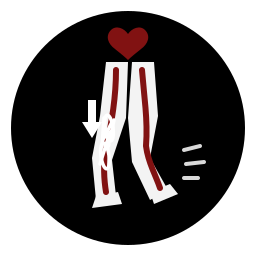
- Leg arteries (peripheral arteries): Pain in the legs when walking, known as claudication, can occur. Legs may also feel cool, weak, or change color.
- Kidney arteries: Blocked blood flow can cause high blood pressure or even kidney failure.
If you ever feel sudden chest pain, weakness on one side of your body, or trouble speaking, call 911 right away. These can be life-threatening emergencies.
How Atherosclerosis Is Diagnosed
Since atherosclerosis often sneaks up without symptoms, doctors rely on several tests to find it:
- Blood tests: These check cholesterol, blood sugar, and other risk factors.
- Blood pressure readings: High readings may suggest artery problems.
- Electrocardiogram (EKG): This looks for signs of heart damage or poor blood flow.
- Stress test: You walk on a treadmill while your heart is monitored. This can show how well blood flows during exercise.
- Ultrasound: Sound waves show blood flow in the carotid arteries in the neck or the arteries in the legs.
- CT angiography or cardiac CT: These scans provide pictures of calcium buildup and narrowing in arteries.
- Cardiac catheterization: A thin tube is inserted into an artery and dye is injected to take X-rays of the heart’s blood vessels.
Your doctor will decide which tests are needed based on your age, symptoms, and risk factors.
Treatment for Atherosclerosis
The good news is that even if you already have atherosclerosis, there are many treatments available. I like to explain treatment in three main categories: lifestyle changes, medications, and procedures.
Lifestyle Changes
These are the foundation of treatment. They may sound simple, but they are powerful.
- Quit smoking: This is the single most important step for many patients.
- Eat a heart-healthy diet: Focus on vegetables, fruits, whole grains, fish, lean meat, and healthy fats like olive oil. Limit fried foods, red meat, butter, and processed snacks.
- Exercise regularly: Aim for at least 30 minutes of brisk walking most days of the week.
- Maintain a healthy weight: Losing even 5 to 10 pounds can help lower cholesterol and blood pressure.
- Control blood sugar: If you have diabetes, keep your blood sugar in the target range.
Medications
Doctors often prescribe medicines to slow down or even improve atherosclerosis.
- Statins: These lower cholesterol and help stabilize plaque.
- Blood pressure medications: ACE inhibitors, beta-blockers, or calcium channel blockers can reduce strain on arteries.
- Blood thinners: Aspirin or other medicines reduce the chance of clots.
- Diabetes medications: These control blood sugar and protect arteries.
Procedures
If arteries are severely blocked, procedures may be necessary.
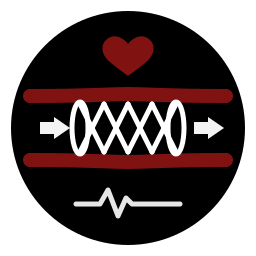
- Angioplasty and stenting: A balloon is used to open the artery and a stent (a small mesh tube) is placed to keep it open.
- Bypass surgery: Surgeons use a blood vessel from another part of the body to go around the blocked artery.
- Endarterectomy: This removes plaque directly from an artery, often in the neck.
Prevention of Atherosclerosis
Since atherosclerosis takes years to develop, prevention is always better than treatment. Here are steps you can take right now:
- Get regular checkups: Have your blood pressure, cholesterol, and blood sugar checked at least once a year.
- Stay active: Walking, biking, or swimming are great ways to keep blood vessels healthy.
- Eat smart: A diet rich in vegetables, fruits, whole grains, and healthy proteins is one of the best defenses.
- Limit alcohol: One drink a day for women and up to two for men is usually safe, but more than that can raise blood pressure.
- Manage stress: Chronic stress can increase blood pressure and inflammation. Try meditation, deep breathing, or spending time outdoors.
- Get enough sleep: Aim for 7 to 9 hours per night. Poor sleep is linked to higher heart risk.
My Experience Treating Atherosclerosis
Over the years, I have seen many patients who came in worried about chest pain or leg cramps, only to discover advanced atherosclerosis. Some were shocked because they felt fine until suddenly they were not. Others had ignored mild symptoms for years.
The patients who do best are those who take prevention seriously. I have seen arteries improve on follow-up tests when patients commit to lifestyle changes and medications. While we cannot always erase plaque, we can stop it from getting worse and lower the chance of heart attack or stroke.
When to See Your Doctor
If you are over 50, schedule regular visits with your primary care doctor or cardiologist. Make an appointment sooner if you notice:
- Chest pain or tightness with activity
- Shortness of breath that is new or worsening
- Pain in your legs when walking
- Sudden weakness, vision changes, or difficulty speaking
Do not wait. Early care can prevent emergencies.
If you are wondering, could I possibly have atherosclerosis? An inexpensive and noninvasive test called a "Heart Scan" can help. If it is positive for calcium in your arteries, then you have at least the beginning of atherosclerosis. Hard plaque has been discovered. You should see a cardiac specialist shortly thereafter to better define next steps. If it is negative for calcium, it does not mean you are out of the woods though. Soft plaque is not detected by this test. It simply means you definitely need to continue care with your PCP and follow her or his recommendations.
Conclusion
Atherosclerosis is one of the most common heart conditions in older adults, but it does not have to control your future. By understanding what it is, knowing your risk factors, and working with your doctor on prevention and treatment, you can live a longer and healthier life.
Think of your arteries as the highways of your body. Keeping them clear and smooth means better circulation, more energy, and fewer health problems. Whether you are already dealing with a diagnosis or simply want to stay ahead of trouble, now is the time to take action.



FAQs
Here are some common questions about heart health and our blog content.
Heart health refers to the overall condition of your heart and blood vessels. It encompasses factors like blood pressure, cholesterol levels, and lifestyle choices. Maintaining good heart health is crucial for preventing cardiovascular diseases.
Improving heart health involves regular exercise, a balanced diet, and avoiding smoking. Incorporating fruits, vegetables, and whole grains can make a significant difference. Additionally, managing stress and getting enough sleep are vital.
Common symptoms of heart issues include chest pain, shortness of breath, and fatigue. You may also experience palpitations or swelling in the legs. If you notice these symptoms, it's important to consult a healthcare professional.
You should see a doctor if you experience persistent chest pain or unusual heart rhythms. Additionally, if you have risk factors like high blood pressure or diabetes, regular check-ups are essential. Early detection can prevent serious complications.
Yes, lifestyle changes can significantly improve heart health. Adopting a healthier diet, increasing physical activity, and managing stress can lead to better outcomes. These changes can also reduce the risk of heart disease.