Treatment of Coronary Artery Disease (CAD)
What Is Coronary Artery Disease?
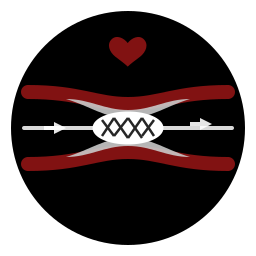
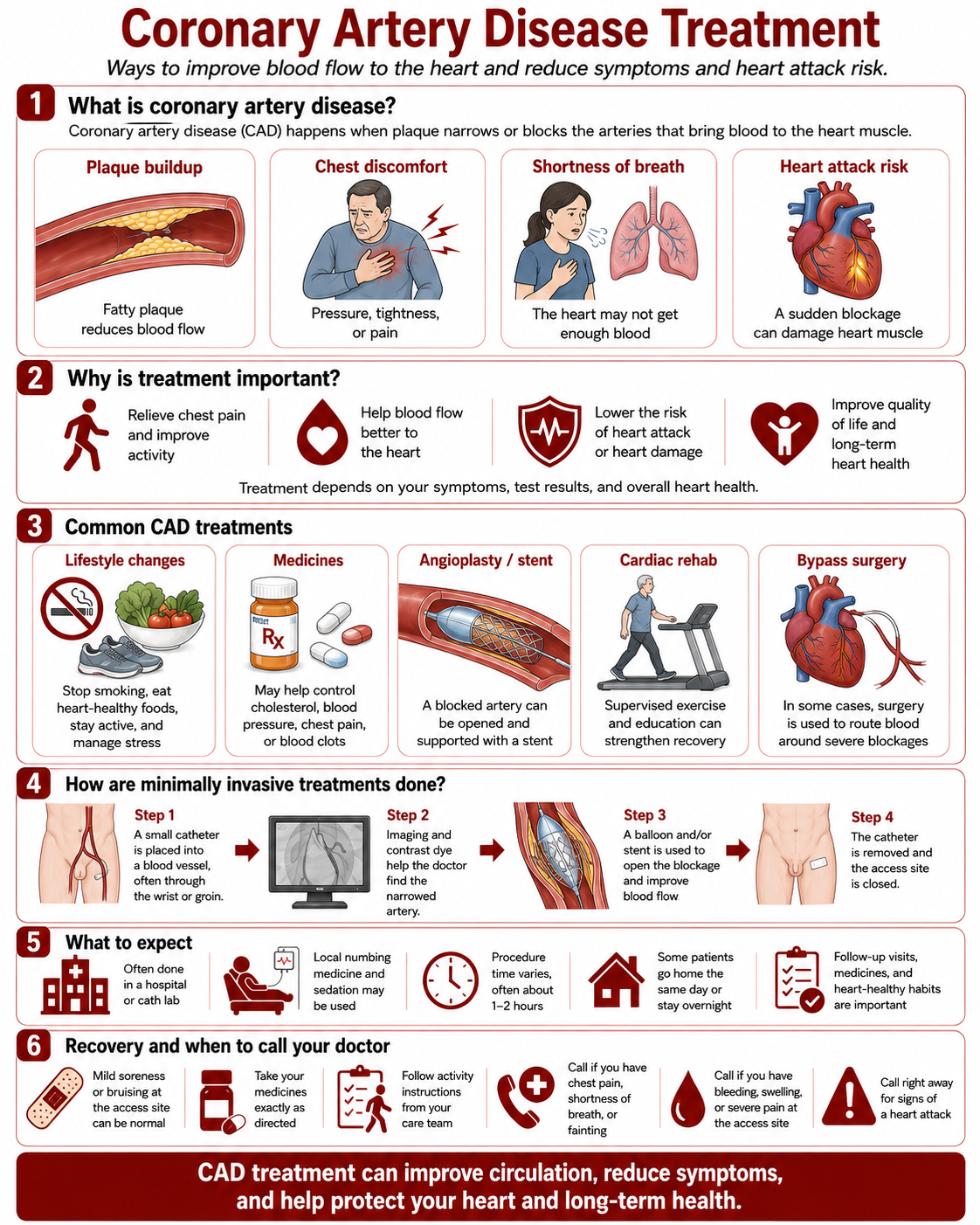
CAD develops when plaque, a buildup of cholesterol, calcium, and other substances, collects inside the coronary arteries that supply blood to your heart muscle. As arteries narrow, the heart works harder for less. Symptoms may include chest pressure with exertion, shortness of breath, or fatigue, though some patients feel nothing at all until the disease is advanced. That's why treatment isn't a single procedure; it's a partnership built on three pillars.
Pillar One: Lifestyle Changes
The foundation of every CAD treatment plan is how you live each day. A heart-healthy diet rich in vegetables, fruits, whole grains, and lean proteins; regular physical activity your doctor approves; quitting tobacco completely; managing weight, stress, and sleep, these aren't suggestions, they're medicine. I've watched patients slow or even stabilize their disease through committed lifestyle change alone. Nothing I do in the cath lab replaces what you do in your kitchen and on your walking path.
Pillar Two: Medications
Modern medications are remarkably effective at treating CAD. Statins lower cholesterol and calm the inflammation inside artery walls. Blood pressure medicines reduce the heart's workload. Aspirin and other antiplatelet drugs help prevent dangerous clots. Medications for diabetes, when needed, protect the vessels themselves. Most of my CAD patients are managed successfully with medications and lifestyle alone, never needing a procedure at all. The key is taking them faithfully and keeping every follow-up appointment so we can adjust as your needs change.
Pillar Three: Procedures, When Needed
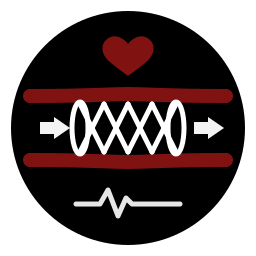
When blockages become severe or symptoms persist despite the first two pillars, we intervene. Angioplasty and stent placement, performed through a small puncture in the wrist or groin, open narrowed arteries and hold them open with a tiny mesh tube. For patients with multiple complex blockages, coronary artery bypass surgery creates new routes around the diseased segments, using vessels borrowed from elsewhere in the body. Which approach is right depends on your specific anatomy, and we walk through that decision together, in plain language, every time.
A Lifelong Partnership
CAD is not a sentence, it's a signal. It tells us your heart needs attention, and it gives us the chance to act. With the right plan, faithfully followed, most people with coronary artery disease live long, full, active lives.